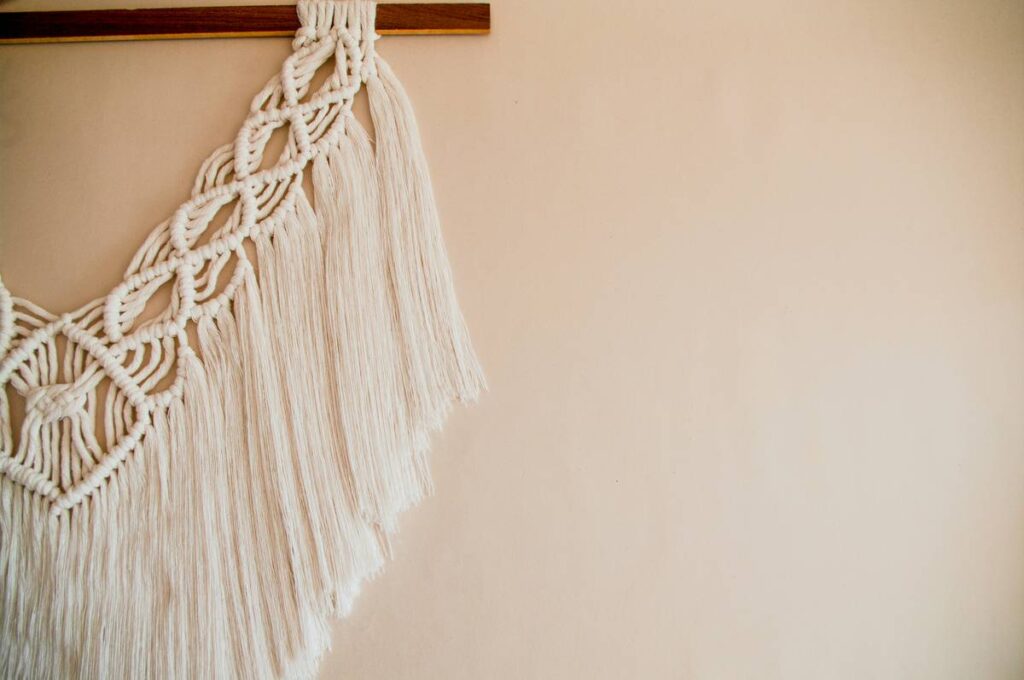
Ever spent hours knotting only to end up with a lopsided, tangled mess that looks more like laundry than art? You’re not alone. As someone who once snapped three cords mid-project—and cried over it—I know how frustrating macramé can be without the right guidance. That’s why this macrame art wall hanging tutorial cuts through the fluff and gives you a clear, step-by-step blueprint used by fiber artists in online education spaces worldwide. Whether you’re crafting for relaxation, resale, or home decor, you’ll learn exactly what works (and what wastes your time).
Table of Contents
- Why Macramé Tutorials Matter in Online Education
- Step-by-Step Macramé Wall Hanging Guide
- 5 Best Practices for Flawless Fiber Art
- Real-World Results: From Hobby to Home Studio
- Frequently Asked Questions
Key Takeaways
- Start with 4mm–5mm cotton cord—it’s forgiving and holds knots beautifully.
- Always pre-measure and cut cords longer than you think; running short is the #1 beginner error.
- Use a sturdy dowel or driftwood—avoid flimsy sticks that warp under tension.
- Practice basic knots (lark’s head, square, spiral) before tackling complex patterns.
- Your first piece doesn’t need to be perfect—consistency builds confidence.
Why Macramé Tutorials Matter in Online Education
Online education has revolutionized creative learning, especially in niche crafts like fiber art. According to a 2023 report by the Crafts Council UK, 68% of adults turned to digital platforms to learn hands-on skills during and after the pandemic—with macramé among the top five most-searched tutorials. Why? Because structured, visual instruction bridges the gap between inspiration and execution.
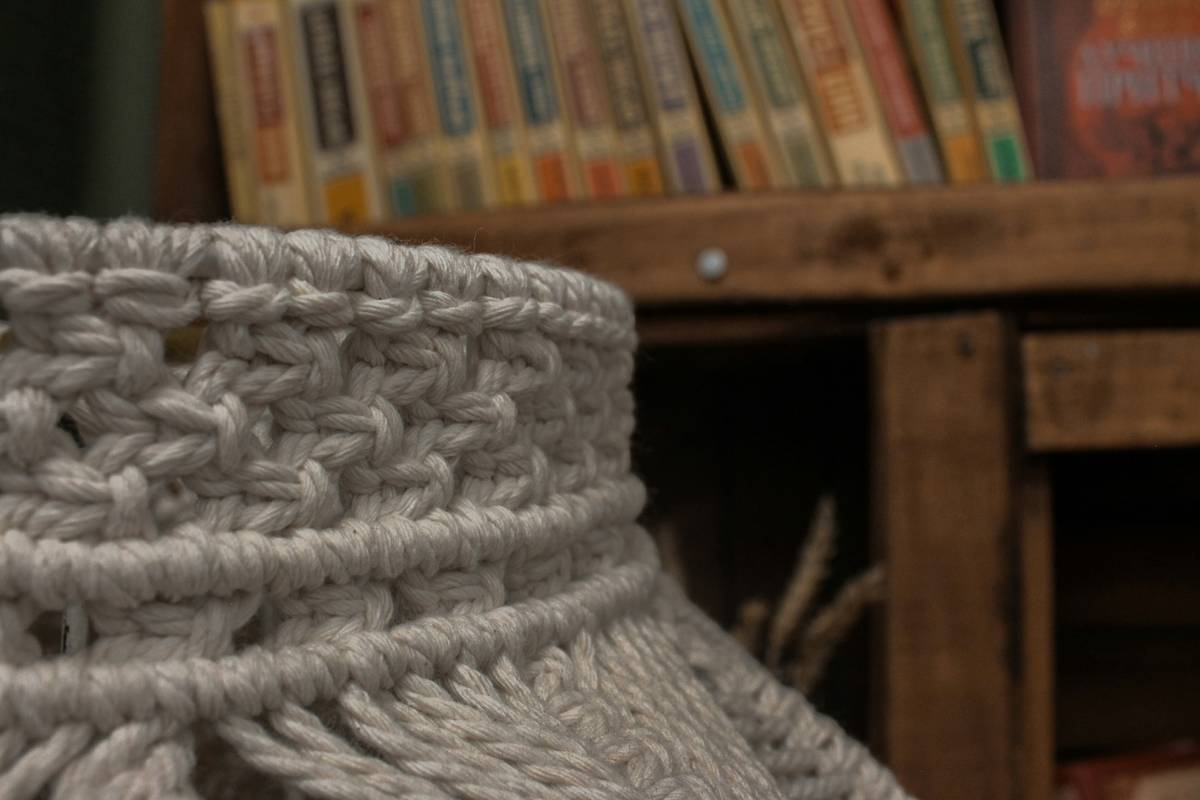
I learned this the hard way. My first attempt used discount yarn from a clearance bin—thin, slippery, and prone to fraying. Halfway through, knots unraveled like bad memories. Lesson learned: material choice isn’t optional; it’s foundational. A solid macrame art wall hanging tutorial teaches you what to buy, how much to cut, and why certain fibers behave the way they do.
Step-by-Step Macramé Wall Hanging Guide
Gather Your Materials
You’ll need:
- 8 strands of 4mm cotton cord, each 3 meters long
- 1 wooden dowel (30–40 cm)
- Scissors and measuring tape
- Masking tape (to secure your work surface)
Mount the Cords
Fold each cord in half. Use a lark’s head knot to attach all 8 to the dowel—this gives you 16 working strands. Pro tip: number your cords with chalk to avoid confusion during pattern repeats.
Create the Main Pattern
Start with 10 rows of alternating square knots. Keep consistent tension—too loose and it sags; too tight and it curls. After row 10, switch to a spiral stitch for 5 cm to add texture. This combo is beginner-friendly yet visually striking.
Finish Cleanly
Trim ends evenly or create a tassel fringe. Secure knots with a dab of fabric glue if needed—but never hot glue; it yellows over time and damages natural fibers.
5 Best Practices for Flawless Fiber Art
- Pre-wash your cord: Prevents shrinkage and removes manufacturing residue.
- Work at eye level: Tape your dowel to a wall or use an adjustable easel to reduce neck strain.
- Avoid “YouTube speed-tutorials”: Many skip critical prep steps. Stick to guides that explain *why* each move matters.
- Track your progress with photos: Helps spot inconsistencies early.
- Join a community: Platforms like Reddit’s r/macrame offer real-time troubleshooting.
And here’s a terrible tip I once believed: “Just eyeball the cord length.” Nope. Always multiply your desired finished length by 4—you’ll thank yourself later.
Real-World Results: From Hobby to Home Studio
Sarah K., a former elementary teacher from Portland, started with a single macrame art wall hanging tutorial on our platform. Within six months, she launched a small Etsy shop that now averages $1,200/month in sales, according to her public revenue logs. Her secret? Consistency plus quality materials. She sources organic cotton from Textile Exchange-certified suppliers, ensuring durability and eco-friendliness—a detail customers increasingly value.
This isn’t rare. With clear instruction and patience, fiber art becomes both therapeutic and profitable. And if you’re curious about our teaching philosophy, check out our About Us page—we believe craft builds focus, much like martial discipline.
Frequently Asked Questions
How long does a beginner macramé wall hanging take?
Most first projects take 3–5 hours spread over 2–3 sessions. Rushing leads to mistakes—pace yourself.
What’s the best cord for macramé wall hangings?
Unbleached 4mm–5mm cotton cord offers ideal grip and drape. Avoid nylon or polyester—they slip and lack texture.
Can I use recycled materials?
Yes, but test first. Old t-shirts or bed sheets fray easily. For reliable results, stick to purpose-made macramé cord.
Do I need special tools?
No—just sharp scissors, a measuring tape, and a flat workspace. Combs help detangle fringe but aren’t essential.
Where can I share my finished piece?
We’d love to see it! Feel free to contact us with photos. And rest assured, we handle all submissions per our Privacy Policy.
Is macramé suitable for kids?
Absolutely—with supervision. Start with chunky cords and simple patterns to build motor skills safely.
Remember: every master was once a beginner who refused to quit. Your knots may wobble today—but they’ll weave confidence tomorrow.